Assistive Technology Assessments
Equipment matched to your goals, routines and home, with an occupational therapist who comes to you across Frankston and the Mornington Peninsula.
Firm Foundation OT provides assistive technology assessments for people of all ages across Frankston and the Mornington Peninsula. Our occupational therapists come to your home, school, workplace or community to understand your goals, trial equipment where possible, take measurements and write recommendations with the evidence the NDIA needs. We support self-managed and plan-managed NDIS participants and private clients.
Last updated
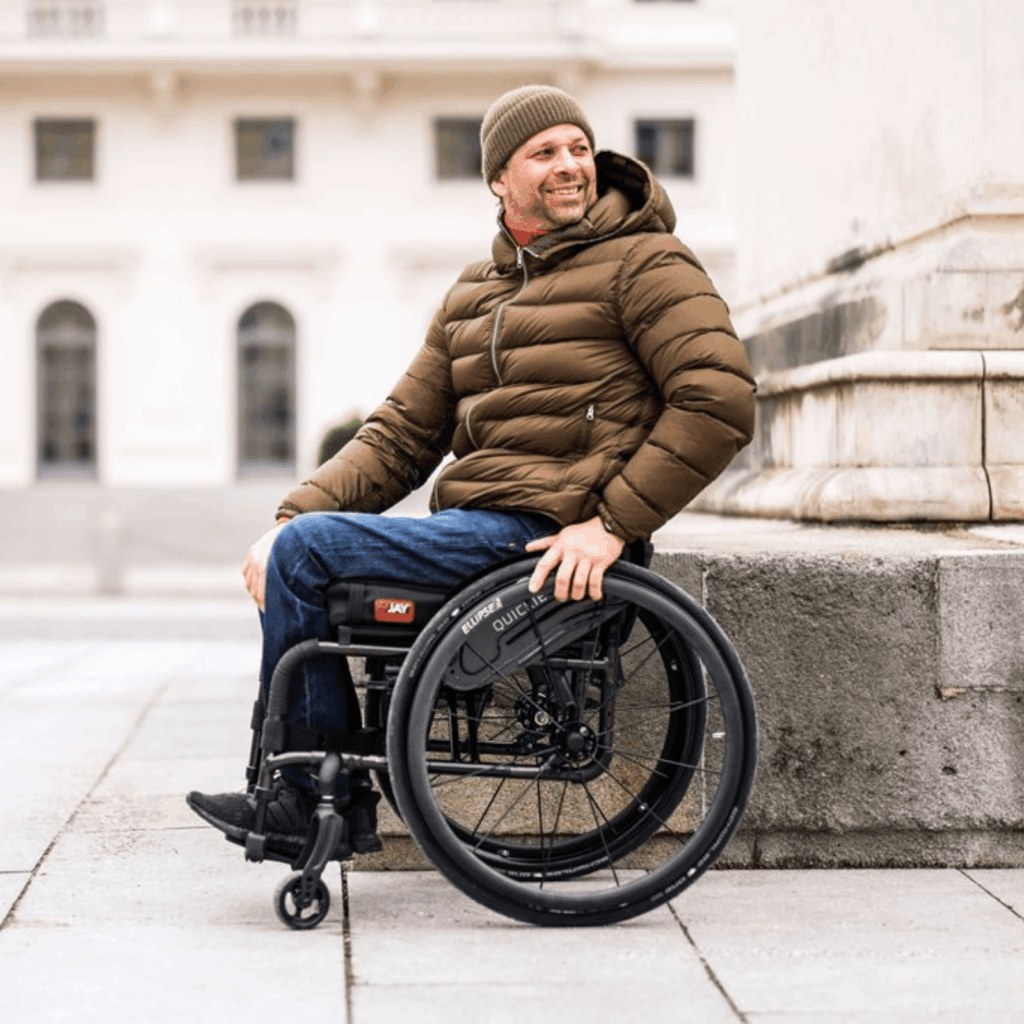
Assistive technology, often shortened to AT, is equipment or a device that helps you do an everyday task more safely, more easily or more independently. It ranges from simple aids you can pick up and use straight away to larger equipment that has to be measured, set up and adjusted to suit your body and your space.
We assess for and recommend equipment across these areas:
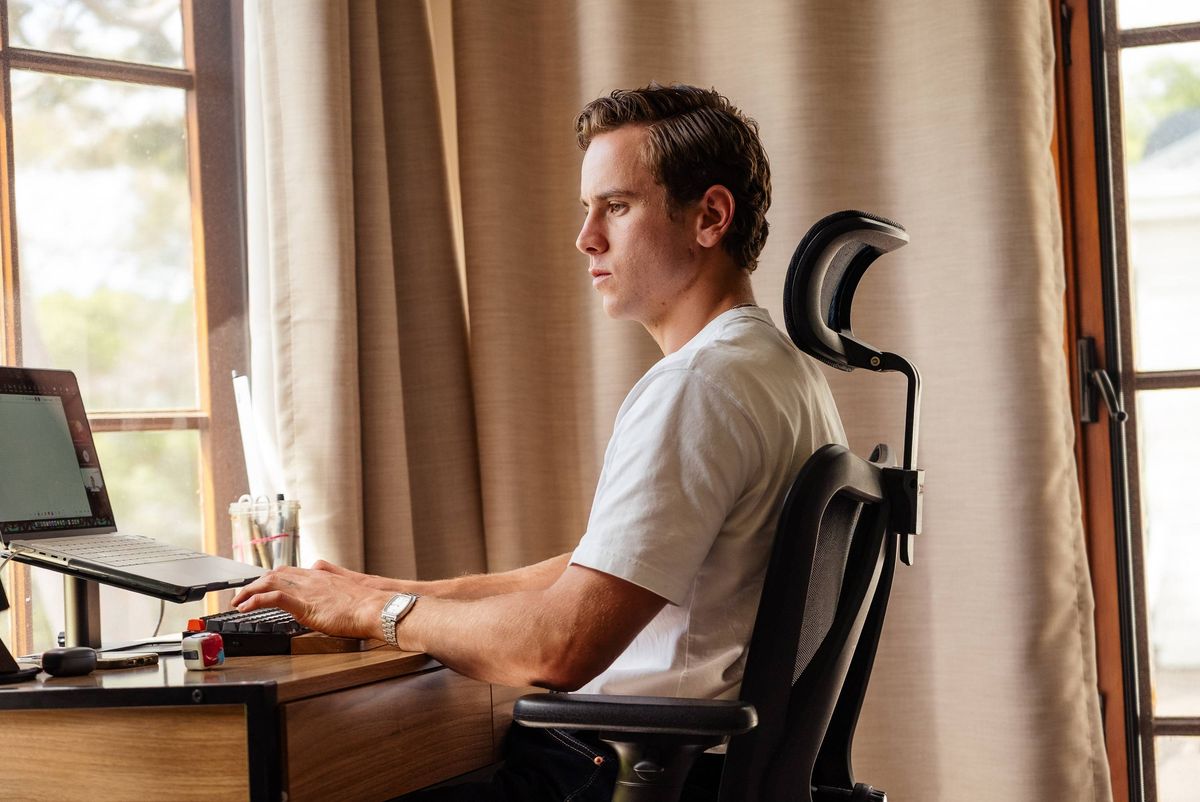
An AT assessment starts with you, not with a catalogue. Before we look at any equipment, we want to know what you are trying to do, where it gets hard, and how you would like your day to run. From there the process usually follows these steps, though the order and the time each part takes depend on you and the equipment involved.
For NDIS participants, the NDIA has a template for general assistive technology assessments that sets out the information it needs, and the evidence it receives has to cover all of it. A written report usually covers:
Assistive technology assessments are for people of all ages and all abilities, from early childhood through to adults. A child might need supportive seating at the table, or sensory tools for regulation at home, kinder or school. An adult might be finding the shower harder to manage, need a safer way to get in and out of bed, or want to get out into the community more easily.
An assessment can also help when things have changed: after a hospital stay, as a child grows, or when equipment you already own no longer fits or feels right. We take a client-centred, strengths-based approach, so recommendations build on what you can already do and the way you like to do things. You can read more about our approach.
Support coordinators, GPs, allied health, schools and families can all refer to us. You do not need a referral to ask a question.
Functional Capacity Assessments, sensory profiles, home and living, executive function, and the NDIS reports that support your plan.
Learn more
Ongoing, goal-based therapy that works on skills and everyday routines in the places you live, learn and work.
Learn more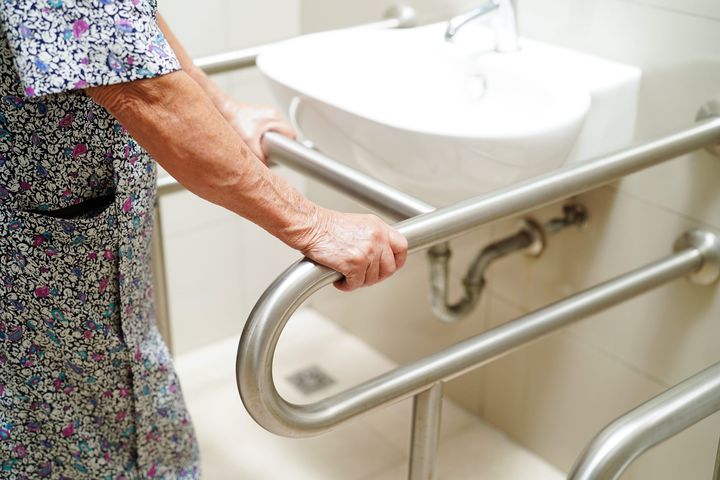
Practical changes such as rails, ramps and bathroom changes, recommended after we see how you use your home.
Learn more
The NDIS can fund assistive technology when it is an NDIS support, relates to your disability and is reasonable and necessary for you. How much evidence the National Disability Insurance Agency (NDIA) needs depends on the cost of the item and the risk of using it. The NDIS explains the different levels on its assistive technology page.
Lower cost, lower risk items, such as many simple daily living aids, can usually be bought from the consumables budget in your plan without quotes or a formal assessment, as long as that type of item is included in your plan, relates to your disability and is safe for you. The NDIS still suggests getting advice first, so you can be sure the item is right for you.
Higher cost or higher-risk items, such as many wheelchairs, pressure care mattresses and seating, usually need a written recommendation from an AT advisor. Risk is not only about cost: some cheaper items, such as bed rails and weighted blankets, are treated as higher-risk and also need written advice. The most expensive and complex items need a full assessment from an AT assessor and a supplier quote, and the NDIA may ask you to trial or rent the item first.
The NDIS gives occupational therapists as one example of a suitably qualified professional who can act as an AT advisor or assessor, depending on the type of equipment. It sets out what it expects on its page about assistive technology and advisors. Our occupational therapists are AHPRA registered.
Our role is to give clear, honest evidence about what you need and why. We cannot promise what the NDIA will fund. That decision sits with the NDIA, and a request can be approved, changed or declined.
We work with NDIS participants who are self-managed or plan-managed (see the NDIS guide to plan management options), as well as private clients. We're not a registered NDIS provider, so we can't claim from NDIA-managed (agency-managed) plans, but if your plan is NDIA-managed, talk to us or your support coordinator about your options. Our fees are charged in line with the NDIS price limits and set out clearly in a service agreement before anything begins.
Not quite. Assistive technology is something you use, wear or sit on, and most of it can move with you. A home modification changes the building itself, such as a grab rail fitted to the wall, a ramp at the front step or a change to the shower recess. Some items, like rails and raised toilet seats, sit on the line between the two.
Many people need a bit of both, and it makes sense to look at them together so the equipment suits the space it is used in. Our minor home modifications page covers the building side.
They answer different questions. An assistive technology assessment looks at particular equipment for particular tasks. A Functional Capacity Assessment gives a fuller view of how you manage daily life across home, community, school or work, and can note where equipment may help. If the question is about where and how you live, a Home and Living Assessment looks at your living arrangements and the supports around them.
Not sure which one you need? Get in touch and we will talk it through with you.
We are a mobile practice, so the assessment happens in the places the equipment will actually be used: home, school, kindergarten, childcare, the workplace or out in the community. We visit Frankston, Mount Eliza, Mornington, Mount Martha, Langwarrin, Seaford, Chelsea, Somerville, Hastings, Cranbourne and Carrum Downs. See all the areas we serve.
Most of an assistive technology assessment happens in person, because trialling and measuring need to happen in your space. Some parts, such as an early conversation about your goals, can suit telehealth.
Not always. Many lower cost, lower risk items can be bought without quotes or a formal assessment, though the NDIS suggests getting advice first. Higher cost or higher-risk items need written advice from an AT advisor, and the most expensive also need an assessment from an AT assessor, such as a suitably qualified occupational therapist, plus a supplier quote.
We cannot promise that. The NDIA decides what it funds, based on whether a support is an NDIS support and reasonable and necessary for you. Our job is to give clear evidence about your needs, the options we considered and why we recommend what we do, so the NDIA has the information it needs to decide.
It helps to have your NDIS plan details if you have them, any equipment you already use, and any recent therapy or medical reports. If a family member, carer or support worker helps with the task, it is useful to have them there. Think about which tasks are hardest right now and where they happen.
Yes. We are a mobile service and come to your home, school, workplace or community setting across Frankston and the Mornington Peninsula, because equipment needs to be assessed where it will be used. Telehealth can suit some parts, such as an early conversation about your goals.