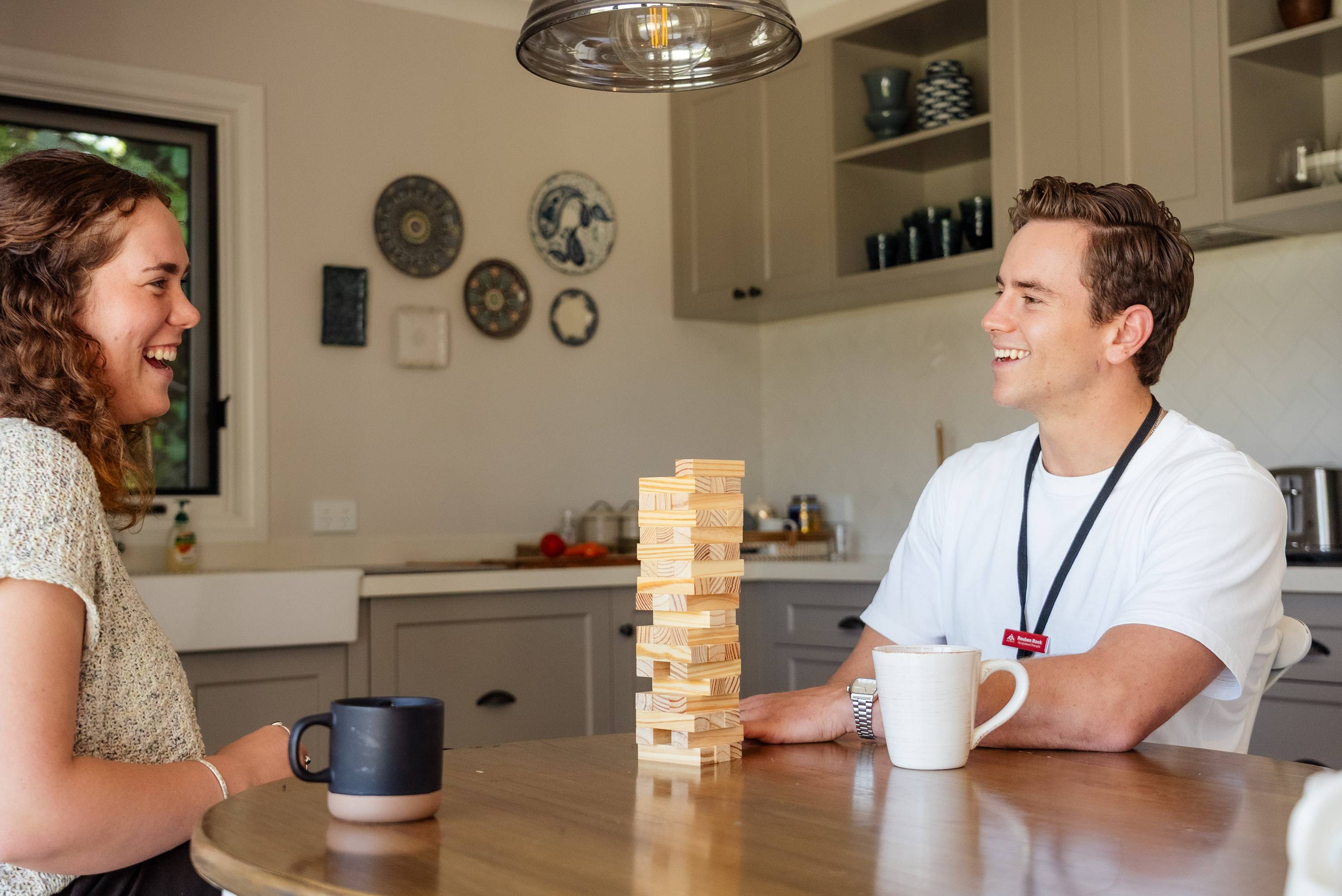
Sensory Profile Assessment
A strengths-based assessment that helps you understand how you or your child takes in sound, touch, movement and more, with a report you can share with school, work and your care team.
Firm Foundation OT's AHPRA registered occupational therapists provide Sensory Profile Assessments for children, teens and adults across Frankston and the Mornington Peninsula, in person or by telehealth Australia-wide. Using questionnaires, observation and conversation, we describe how a person notices and responds to sensory input, then recommend practical strategies for home, school and work. NDIS and private clients welcome.
Last updated
A Sensory Profile Assessment, sometimes called a sensory assessment or sensory processing assessment, is an occupational therapy assessment that looks at how a person processes sensory input in everyday life. That covers sound, sight, touch, taste, smell, movement and body awareness. It explores how those responses shape regulation, attention and participation at home, at school, at work and out in the community.
Everyone has a sensory profile. Some people pick up on small sounds or scratchy labels straight away. Others barely register them, or go looking for extra movement, pressure or noise to feel settled and alert. None of these patterns is right or wrong. They are differences in how a nervous system takes in the world, and each one comes with its own strengths.
The assessment is not about changing who someone is. It aims to put words to what a person, or the people around them, may already sense, so routines, spaces and supports can be set up to fit. In line with our neuro-affirming approach, the person's own experience sits at the centre.

We complete Sensory Profile Assessments for people of all ages and all abilities, from early childhood through to adulthood. You do not need a diagnosis to ask about one.
It can be useful for autistic people, people with ADHD, and anyone curious about their sensory preferences or how sensory experiences shape their day. For example, some children find a busy classroom tiring by lunchtime, some teenagers avoid certain fabrics or food textures, and some adults have always found crowded shopping centres draining. A sensory profile helps put experiences like these into context.
For children, the assessment often sits within broader support. Our children's occupational therapy page explains how we work with kids at home, kinder and school. For adults, it can sit alongside workplace or daily living goals, and may be paired with a Functional Capacity Assessment when a fuller picture of everyday function is needed.
The assessment draws on more than one source, so the picture does not rest on a single form. Most assessments move through four steps.

The written report is meant to be read and used, not filed away. Patterns are described in plain, strengths-based language. Rather than labelling responses as problems, the report explains what a person's nervous system tends to seek, avoid, notice or miss, and how that shows up across an ordinary day.
Where relevant, it also explains how sensory patterns may connect with attention, transitions, mealtimes, sleep or social participation. Families can share the report with teachers, support workers and other therapists, so everyone works from the same understanding. A report usually includes:
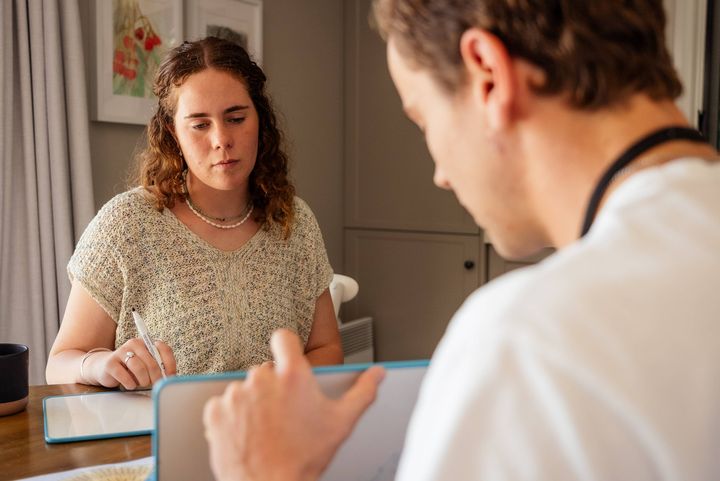
Functional Capacity Assessments, sensory profiles, home and living, executive function, and the NDIS reports that support your plan.
Learn more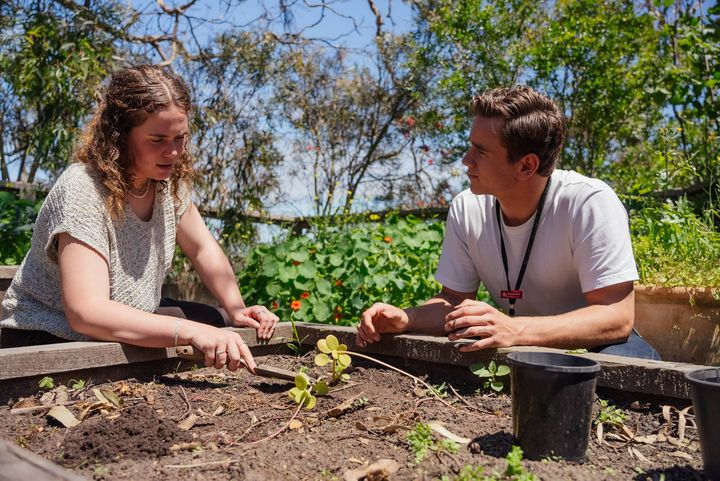
Ongoing, goal-based therapy that works on skills and everyday routines in the places you live, learn and work.
Learn more
The right equipment matched to your goals, from everyday aids to mobility and seating.
Learn more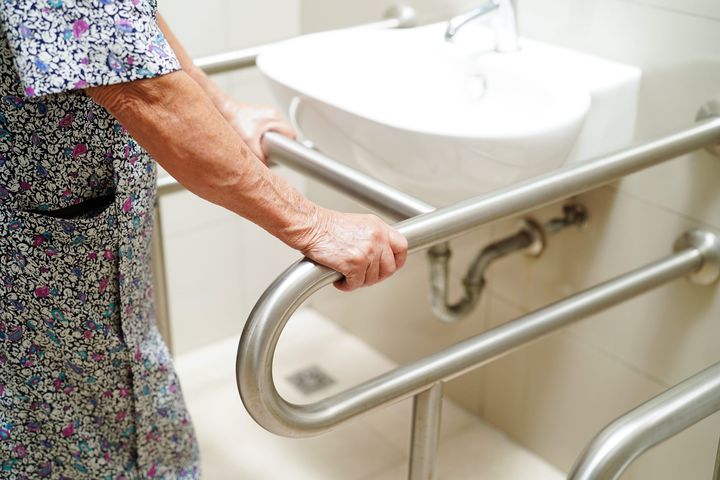
Practical changes such as rails, ramps and bathroom changes, recommended after we see how you use your home.
Learn more
For NDIS participants, a Sensory Profile Assessment can provide functional evidence about how sensory processing affects daily life. It can help guide which supports and strategies are put in place, and inform conversations at plan meetings and plan reassessments.
Because the report links sensory patterns to daily routines, it can also be used as evidence when asking about therapy for sensory regulation, or about sensory and regulation tools, such as weighted items or fidget tools, through assistive technology.
Funding decisions rest with the NDIA, which considers whether a support is an NDIS support and whether it is reasonable and necessary. The assessment offers evidence, not a promise of funding.
Self-managed and plan-managed participants are welcome, as are private clients. The NDIS sets out each of its plan management options. We're not a registered NDIS provider, so we can't claim from NDIA-managed (agency-managed) plans. If your plan is NDIA-managed, talk to us or your support coordinator about your options. Fees follow the NDIS price limits and are agreed in a service agreement before anything begins.
Yes, both. As a mobile practice based on the Mornington Peninsula, we come to you in Frankston, Mornington, Langwarrin, Mount Eliza and the other suburbs listed on our areas we serve page. That might mean home, school, kindergarten, childcare or the workplace. Seeing someone in their own spaces is often where the useful detail sits.
Telehealth is available Australia-wide. Questionnaires can be completed at home, and we meet by video to talk through daily routines and sensory experiences.
Referrals are accepted from support coordinators, GPs, allied health, schools and families, and you can make a referral online. No referral is needed to ask a question, so feel free to get in touch first. We can talk through whether in person or telehealth suits you before anything is booked.
If you are still weighing up which assessment fits, you can compare all of our assessments and reports.
No. A Sensory Profile Assessment describes how a person notices and responds to sensory input. It does not diagnose autism, ADHD or any other condition. It can sit alongside a diagnosis, or be completed without one, to help explain everyday experiences and guide practical strategies.
It depends on age and setting. A parent or carer usually answers for a younger child, and a teacher or educator may add a view from school or kinder. Teens and adults usually answer for themselves. There are no right or wrong answers, and we read the responses alongside observation and conversation.
It may, depending on your plan and goals. Every plan is different and funding decisions rest with the NDIA. We work with self-managed and plan-managed participants, as well as private clients, and charge in line with the NDIS price limits, agreed in a service agreement first.
You receive a written report with strategies to try at home, school or work, and you can share it with teachers, support workers and other therapists. If ongoing support would help, options may include goal-based therapy for sensory regulation or sensory and regulation tools, always agreed with you.