
Functional Capacity Assessment
A strengths-based look at how you manage everyday life, written up as evidence for the NDIS. In person across Frankston and the Peninsula, or by telehealth.
Firm Foundation OT is a mobile occupational therapy practice offering Functional Capacity Assessments (FCAs) for all ages across Frankston and the Mornington Peninsula, in person or by telehealth Australia-wide, for NDIS and private clients. An FCA looks at how you manage everyday activities and which supports help, set out in a written report used as evidence for the NDIS.
Last updated
A Functional Capacity Assessment, usually shortened to FCA, is an assessment of how a person manages the activities of everyday life. Ours are completed by occupational therapists. The assessment covers self-care, home routines, moving around, communication, learning, school or work, social participation and getting out into the community, and it keeps coming back to two questions: what is working well, and where is support needed?
An FCA is about function, not diagnosis. Two people with the same diagnosis can have very different days, so the assessment focuses on what actually happens in yours. The result is a written report that describes strengths, explains the functional impact of disability in plain language, and makes recommendations for supports that planners, support coordinators and the people around you can understand.
Our approach is strengths-based and neuro-affirming, so the report gives a full picture: what the person does well, what matters to them and where things are hard. You can read more about how we work, or see our longer guide to FCAs on the blog.
No two FCAs look exactly the same, but ours follow a similar path. We explain each stage as we go, and make sure the person behind the report is always seen and heard.

Each report is written about one person and their life, but an FCA report generally covers:
We complete FCAs for people of all ages and all abilities, from early childhood through to adults. With a child, we pay close attention to play, self-care, learning and taking part at kinder or school, and we work alongside the family throughout. Read more about our children's occupational therapy.
Common reasons to ask for an FCA include:

Functional Capacity Assessments, sensory profiles, home and living, executive function, and the NDIS reports that support your plan.
Learn more
Ongoing, goal-based therapy that works on skills and everyday routines in the places you live, learn and work.
Learn more
The right equipment matched to your goals, from everyday aids to mobility and seating.
Learn more
Practical changes such as rails, ramps and bathroom changes, recommended after we see how you use your home.
Learn more
The NDIS considers how disability affects a person's functional capacity in areas such as mobility, communication, social interaction, learning, self-care and self-management. An FCA gives the National Disability Insurance Agency (NDIA), which runs the NDIS, written evidence of that functional impact and the support needs that come from it, from an occupational therapist who has assessed how everyday tasks are managed in practice.
Each recommendation is linked back to the functional impact described in the report, so it is clear why a support is being suggested. Funding decisions are made by the NDIA against its reasonable and necessary criteria and its rules on what counts as an NDIS support. The report is evidence, not a decision, and no report can promise a funding outcome. NDIS planning is changing, including new support needs assessments arranged by the NDIA. Ask us or your support coordinator how an FCA fits your situation right now.
We work with NDIS participants on self-managed and plan-managed plans, and the NDIS explains each of these in its guide to plan management options. We're not a registered NDIS provider, so we can't claim from NDIA-managed (agency-managed) plans. If your plan is NDIA-managed, talk to us or your support coordinator about your options. We also see private clients. Fees are charged in line with the NDIS price limits and set out clearly in a service agreement before anything begins.
Assessments are completed by our AHPRA registered occupational therapists. Anyone can check a practitioner's registration on the AHPRA public register. When you are ready, you can make a referral, or contact us first with any questions.
Yes. We are a mobile service, so in-person assessments happen where your life does: at home, school, kindergarten, childcare, work or out in the community. We travel across Frankston and the Mornington Peninsula, from Frankston and Seaford to Mornington, Mount Martha and Hastings. See the full list of areas we serve.
Telehealth FCAs are also available anywhere in Australia. Interviews and questionnaires can be done over video, and a parent, partner or support worker can help us see how everyday tasks are done at home. If we think part of the assessment needs a visit, we will talk it through with you before booking.
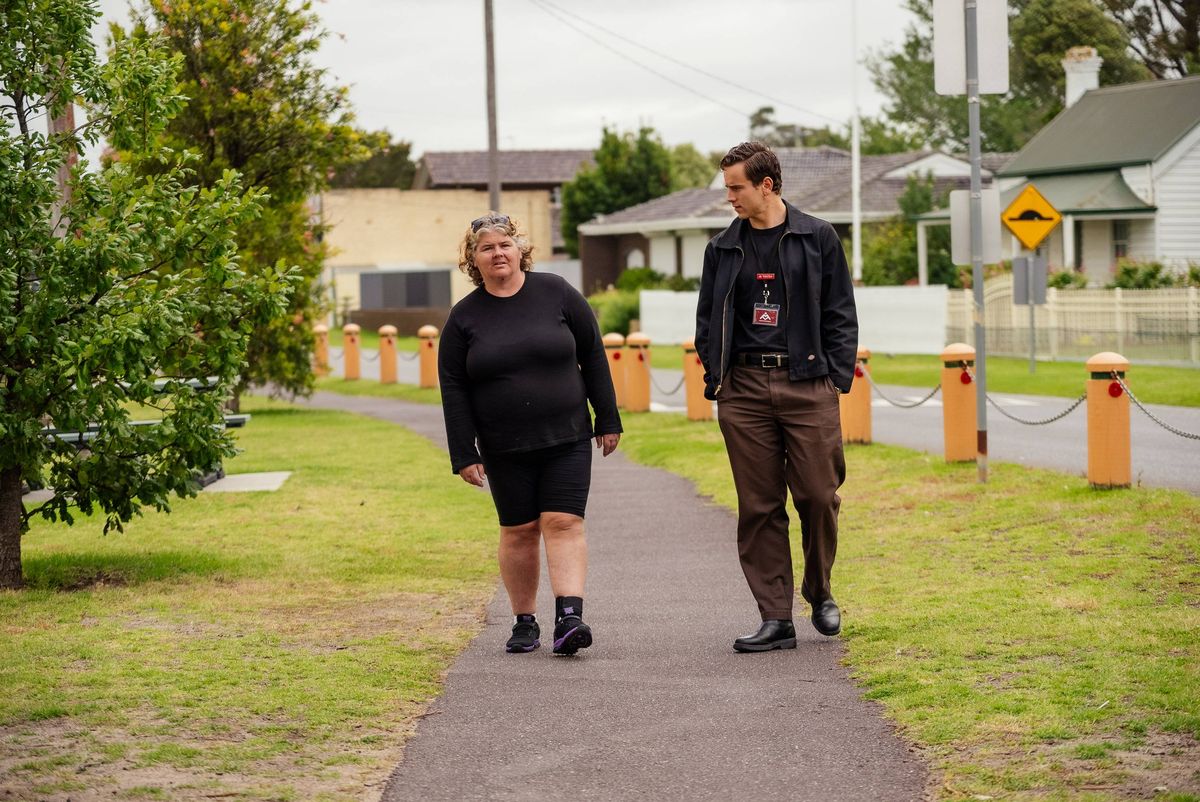
You do not need to prepare anything formal. Pulling a few things together beforehand means more of our time with you goes on the assessment itself. If you can, have these on hand:
A Functional Capacity Assessment typically involves around 10 to 15 hours of clinician time, more for complex situations. That covers at least one visit or telehealth session, scoring standardised tools, reading the reports you have shared and writing up the findings. We talk the timing through with you before it starts.
Fees depend on what the report needs to cover. Typical costs are in our fee schedule, and your fee is charged in line with the NDIS price limits and set out in a service agreement before the assessment starts.
Yes. Families can refer themselves or their child through the Referrals page on our website, and we also accept referrals from GPs, schools, support coordinators and allied health professionals. No referral is needed to ask a question, so get in touch first if you are not sure an FCA is the right assessment.
Not necessarily. The National Disability Insurance Agency (NDIA) decides what is funded, using its reasonable and necessary criteria. An FCA provides evidence about functional impact and support needs, with recommendations linked to that evidence, but it cannot promise a particular funding outcome.