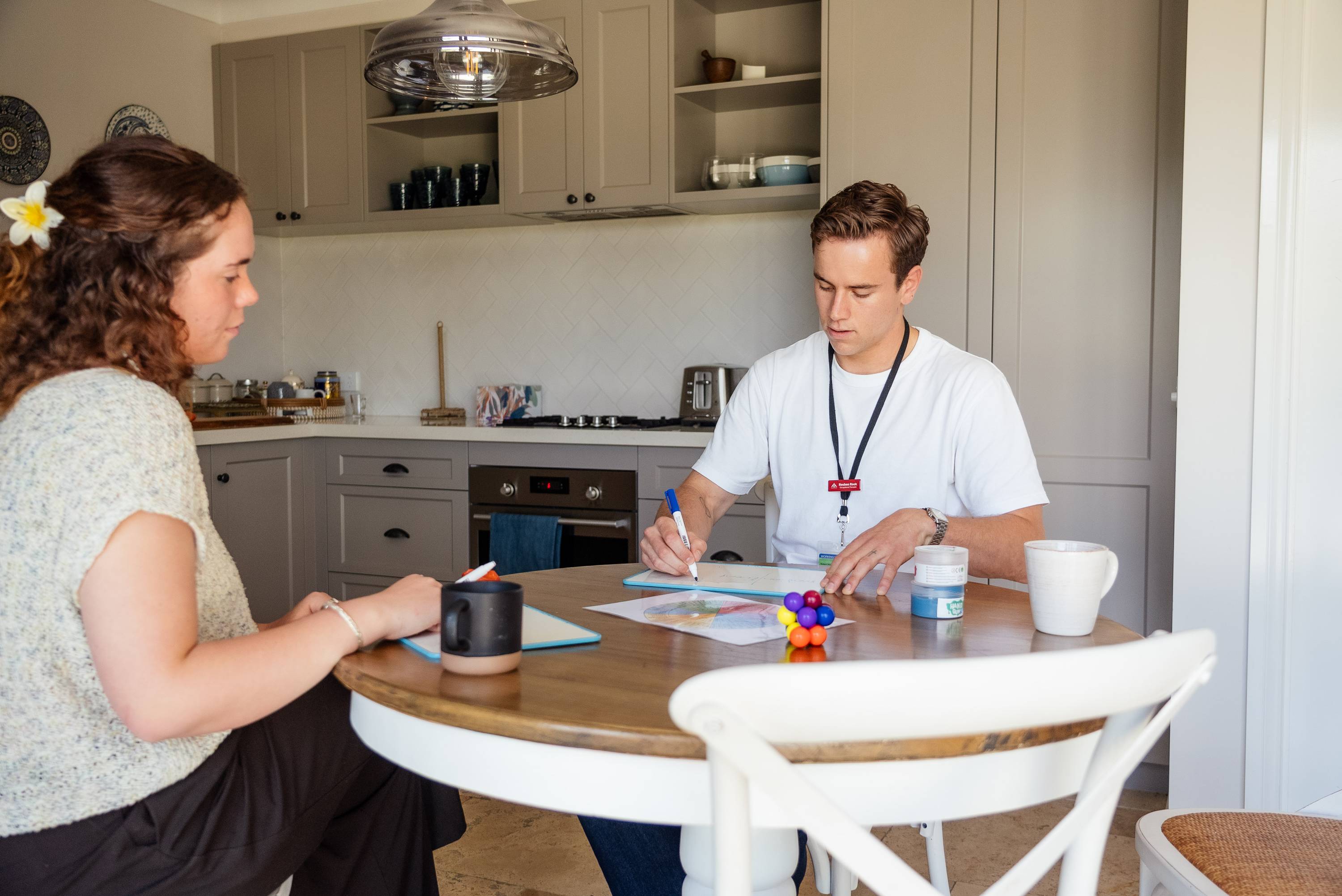
NDIS Home and Living Assessment
An occupational therapy look at how you manage daily life at home, set out as clear evidence for the NDIS when home and living supports are being considered.
Firm Foundation OT provides Home and Living Assessments for NDIS participants, in person across Frankston and the Mornington Peninsula or by telehealth Australia-wide. An occupational therapist looks at your daily living skills, routines, safety, support needs and home. The written report gives the NDIS evidence to consider for supports such as Supported Independent Living (SIL), ILO or SDA.
Last updated
An NDIS Home and Living Assessment is an assessment and written report from an occupational therapist. It sets out what support you need to live at home, across the day and night, and which living arrangements fit your needs and goals. Some people call it a SIL assessment, but it covers more than SIL.
It is more focused than a Functional Capacity Assessment, which looks more broadly at everyday activities across home, school or work and the community. The questions here are specific. What support does this person need to live at home? How often, and at what times of the day and night? What kind of living arrangement fits those needs and the person's own goals?
The assessment usually covers areas like these:
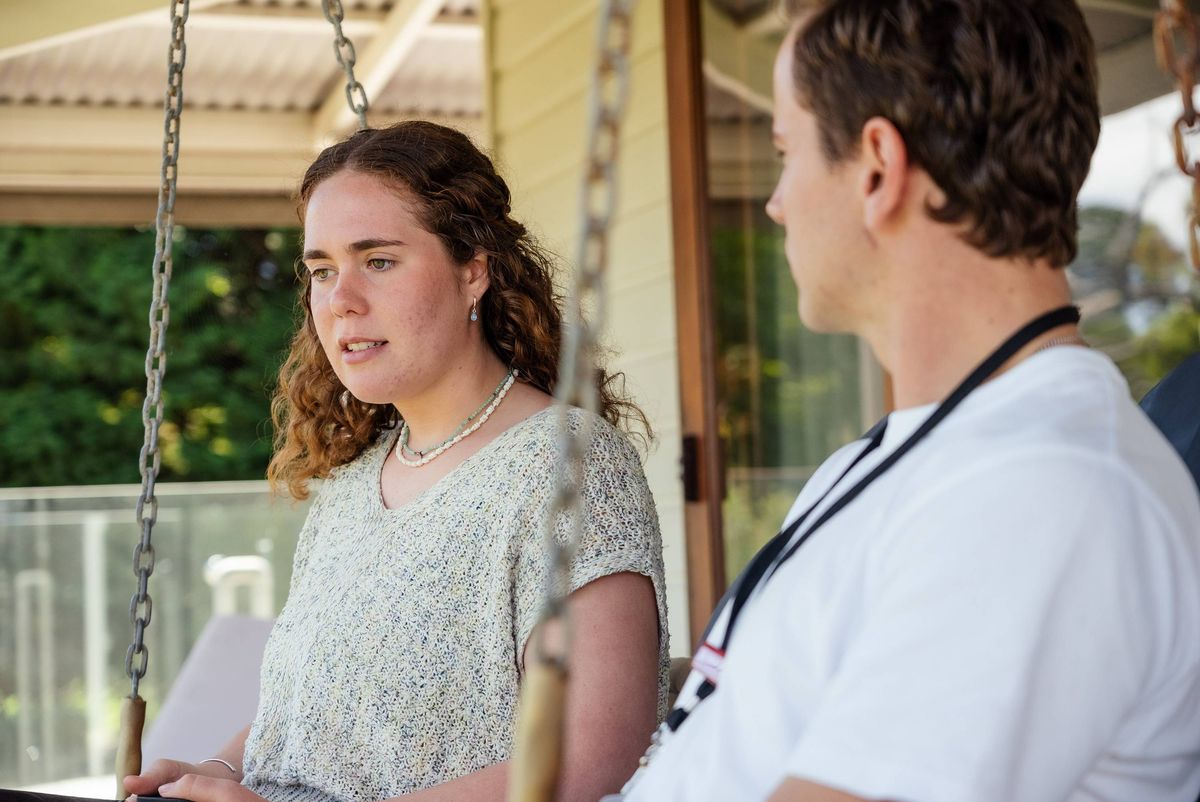
When you ask the NDIS for home and living supports, it asks for recent evidence from a relevant treating health professional, such as an occupational therapist. A Home and Living Assessment is written to provide that evidence.
The decision itself sits with the National Disability Insurance Agency (NDIA), which runs the NDIS and funds NDIS supports that are reasonable and necessary. We cannot promise that a request will be approved, or which option will be funded. What we can do is describe your needs accurately, so the NDIA has clear information to consider.
If you are changing supports you already have, the evidence needs to be dated after your last plan was approved. The NDIS says the evidence should explain:
Home and living supports are the NDIS supports connected to where and how you live. The NDIS describes each one on its types of home and living supports page, and its wider home and living section explains how to explore your options. Three that come up often are:
Not always. For many people the right fit is support in the home they already have. That might be assistive technology, minor home modifications, therapy to build skills, or help with particular daily tasks. The NDIS also lists more specific options, such as medium-term accommodation. That is a temporary place to stay in set situations, like waiting for your long-term home to be ready.
It also helps to know what the NDIS does not pay for. It generally does not cover rent, mortgage repayments or everyday living costs. SDA funding goes towards the housing itself, but people living in SDA still pay a rent contribution and their own bills.
Part of our job is to look honestly at which options suit your needs and goals, rather than starting from a particular answer. If you would like more background on SIL, ILO and SDA, our blog post goes into more depth.
We build the picture from several angles, so the report aims to reflect how daily life usually goes, not one snapshot on a good or bad day.
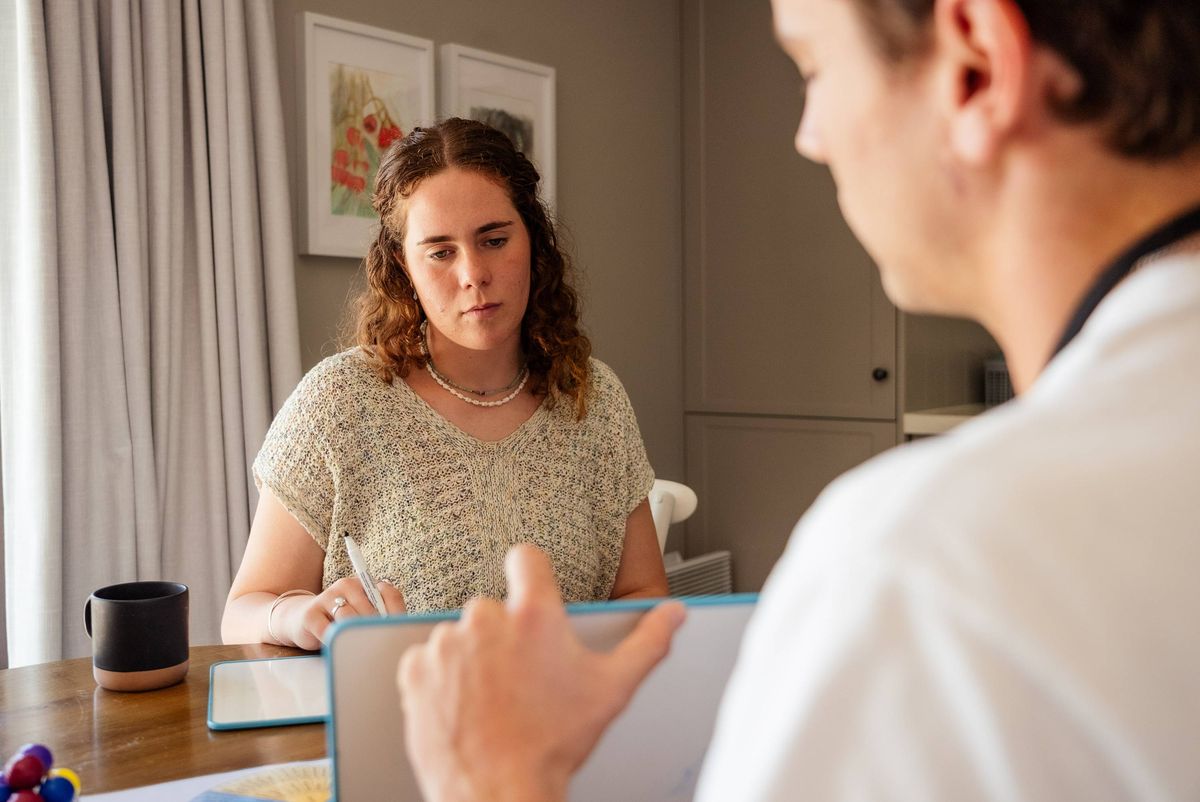
Functional Capacity Assessments, sensory profiles, home and living, executive function, and the NDIS reports that support your plan.
Learn more
Ongoing, goal-based therapy that works on skills and everyday routines in the places you live, learn and work.
Learn more
The right equipment matched to your goals, from everyday aids to mobility and seating.
Learn more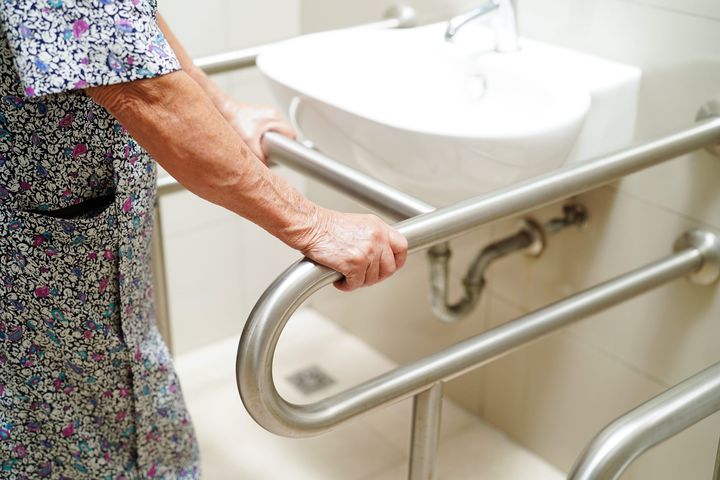
Practical changes such as rails, ramps and bathroom changes, recommended after we see how you use your home.
Learn more
Nothing formal is needed, but if you have them, these are useful to gather beforehand:
It suits NDIS participants who are thinking about where and how they live, or whose current arrangement is no longer working. That is usually adults, along with young people approaching adulthood who are planning ahead. We work with people of all abilities, including developmental, physical, cognitive, sensory, neurodivergent and mental health support needs.
Situations where a Home and Living Assessment is often considered:
We work with NDIS participants whose plans are self-managed or plan-managed, as well as private clients who pay for the assessment themselves. We're not a registered NDIS provider, so we can't claim from NDIA-managed (agency-managed) plans. If your plan is NDIA-managed, talk to us or your support coordinator about your options.
Fees are charged in line with the NDIS price limits and set out clearly in a service agreement before anything begins. Support coordinators can refer directly, and with your consent we work alongside them.
Both. We are a mobile practice and come to your home in suburbs such as Frankston, Mornington, Mount Eliza, Langwarrin and Hastings, as well as nearby Cranbourne. Seeing the home and watching everyday tasks where they really happen usually gives a fuller picture for this kind of assessment. Every suburb we visit is listed on our areas we serve page.
Telehealth is available Australia-wide. It works well for interviews, including with family members who live elsewhere, and for people outside our area. If part of the assessment would be better done in person, we will talk it through with you.
Home and Living Assessments are completed by AHPRA registered occupational therapists from our team. Our approach is client-centred, strengths-based and neuro-affirming. We start with what you can already do and set goals with you, not for you. We also write about you respectfully, knowing you and your family will read the report too.
Not by that name. The NDIS asks for recent evidence from a relevant treating health professional, such as an occupational therapist, describing your daily support and housing needs. A Home and Living Assessment is written to provide that evidence. Your support coordinator or NDIS contact can confirm what your request needs.
No report can promise that. The NDIA, the agency that runs the NDIS, decides whether supports are reasonable and necessary and what goes into your plan. Our role is to describe your needs, routines and environment accurately and explain our recommendations, so the NDIA has clear information to consider.
Often, yes. Many people call it a SIL assessment, because Supported Independent Living is one of the supports it provides evidence for. It looks wider than SIL, though, at daily living, overnight needs, safety and the home. That way the report can also speak to ILO, SDA or support where you already live.
We accept referrals from support coordinators, GPs, allied health professionals, schools and families, and you can contact us yourself. You can start one through the referrals page on this site. No referral is needed just to ask a question about whether this assessment suits you.