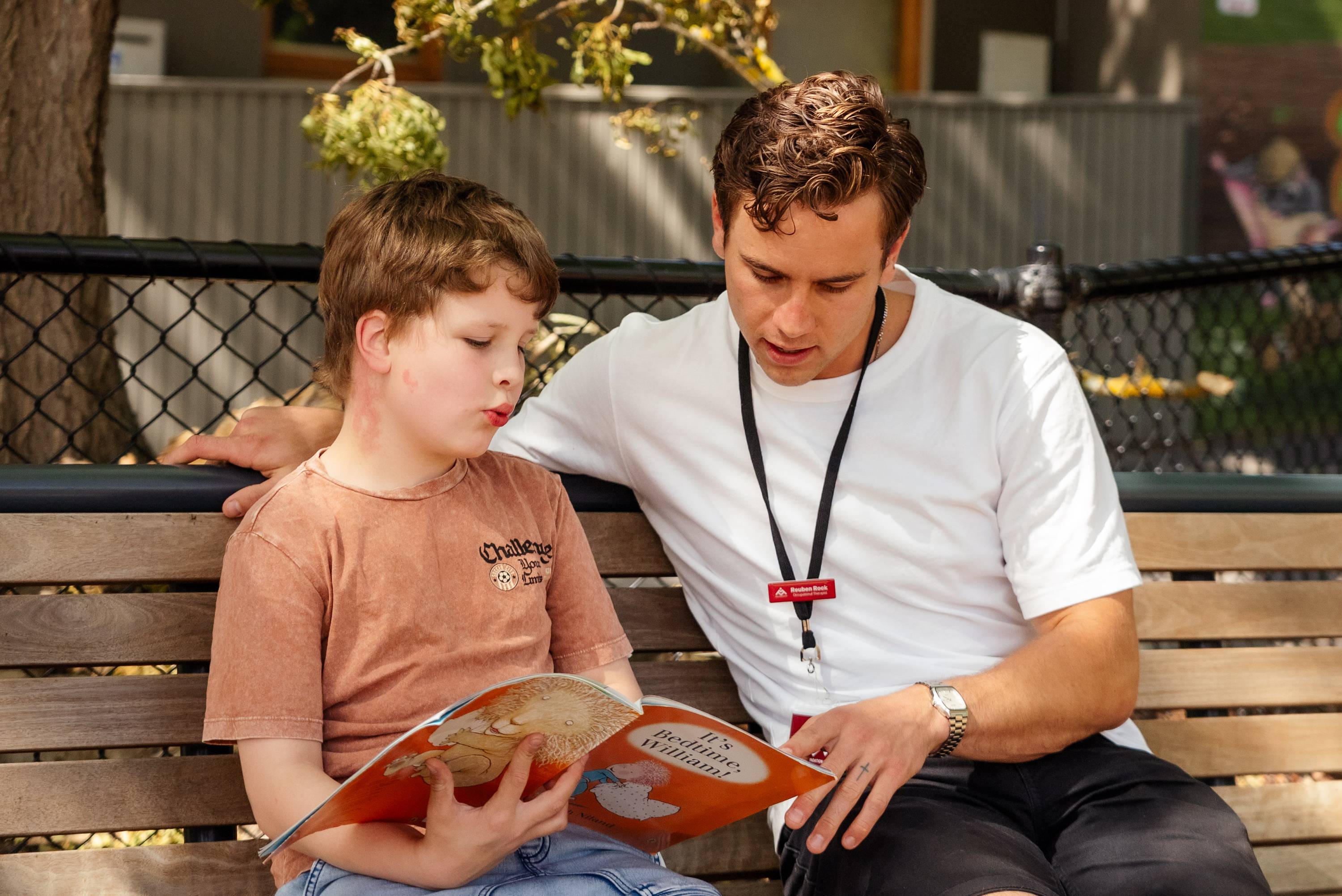
Children's Occupational Therapy in Frankston & the Mornington Peninsula
Paediatric occupational therapy that comes to your child, built around play, daily routines and goals we set together with your family.
Firm Foundation OT provides mobile children's occupational therapy, or paediatric OT, across Frankston and the Mornington Peninsula. We come to your home, school, kindergarten or childcare, the places where everyday challenges actually happen, supporting fine motor skills, sensory processing, play and independence. NDIS and private clients are welcome, with telehealth available.
Last updated
Children learn by doing, in the places where they live and play. As a mobile service, we come to your child, and we build therapy around what your child is interested in, aiming for sessions that feel like something they want to do. We start from what your child can already do and build out from there. We visit families across Frankston and the Mornington Peninsula, including Seaford, Carrum Downs, Langwarrin, Mount Eliza, Mornington, Mount Martha and Hastings.
Working in real settings means we see the moments that matter to your family: the morning rush to get dressed, the table at mealtimes, the classroom when it's time to write, the playground at lunch. Therapy built around familiar routines tends to carry over into daily life, and the people around your child get to see strategies in action rather than hearing about them second-hand. When a visit isn't practical, sessions can run via telehealth.
There's no single sign, and plenty of children who see an OT are doing lots of things well. Every child develops in their own way, and noticing any of the things below doesn't mean something is wrong with your child. An OT's role is to understand what sits behind a challenge and what support might help day to day. If you're unsure, get in touch. You don't need a referral to ask a question, and when you're ready, families can make a referral directly.
Families often get in touch when they notice things like these:
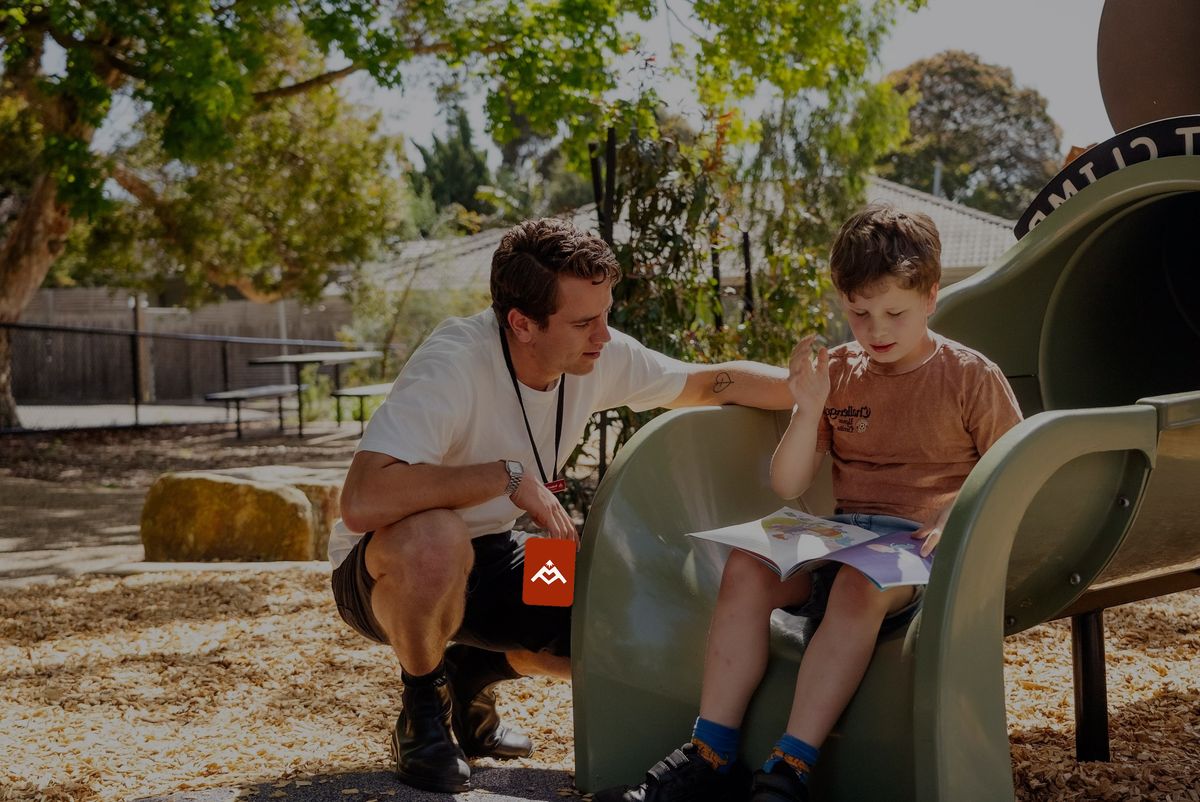
Occupational therapy for kids looks at the everyday jobs of childhood: playing, learning, looking after themselves and joining in with others. A children's occupational therapist works out what makes those activities hard and looks for ways to make them easier, by building skills, changing the task or adjusting the space around your child. Every child is different, so therapy starts with your child's goals and your family's priorities.
The areas we work on include:
We work with autistic children, children with ADHD, children with intellectual disability or global developmental delay, and children with sensory processing differences. We also work with children who need a bit of extra support with daily life, from early childhood through the school years.
Our practice is neuro-affirming. That means we see differences in how your child moves, communicates, plays and experiences the world as part of who they are, not as a problem to be corrected. Therapy focuses on comfort, participation and the goals that matter to your child and family, rather than on making a child look or act like everyone else.
Before anything begins, you'll receive a service agreement that sets out the supports and fees. The first session itself is mostly about getting to know your child. We can meet at home, at kinder or wherever your child feels most at ease, and spend time playing, chatting and following your child's lead. To your child it often looks like play. For us, play-based observation shows a lot about how your child moves, explores, communicates and manages daily tasks, as well as what they enjoy and where they shine.
We'll also talk with you about your child's day: what's going well, what feels tricky, and what you'd most like support with. With your consent, we may speak with your child's kinder or school educators too, so we understand how things look in those settings.
From there, we set goals together, with you and, wherever possible, with your child. Goals are built around the things that matter to your family, such as getting ready for school more independently or joining in at the playground in a way that feels good for your child. Those goals then shape what therapy looks like and where it happens.
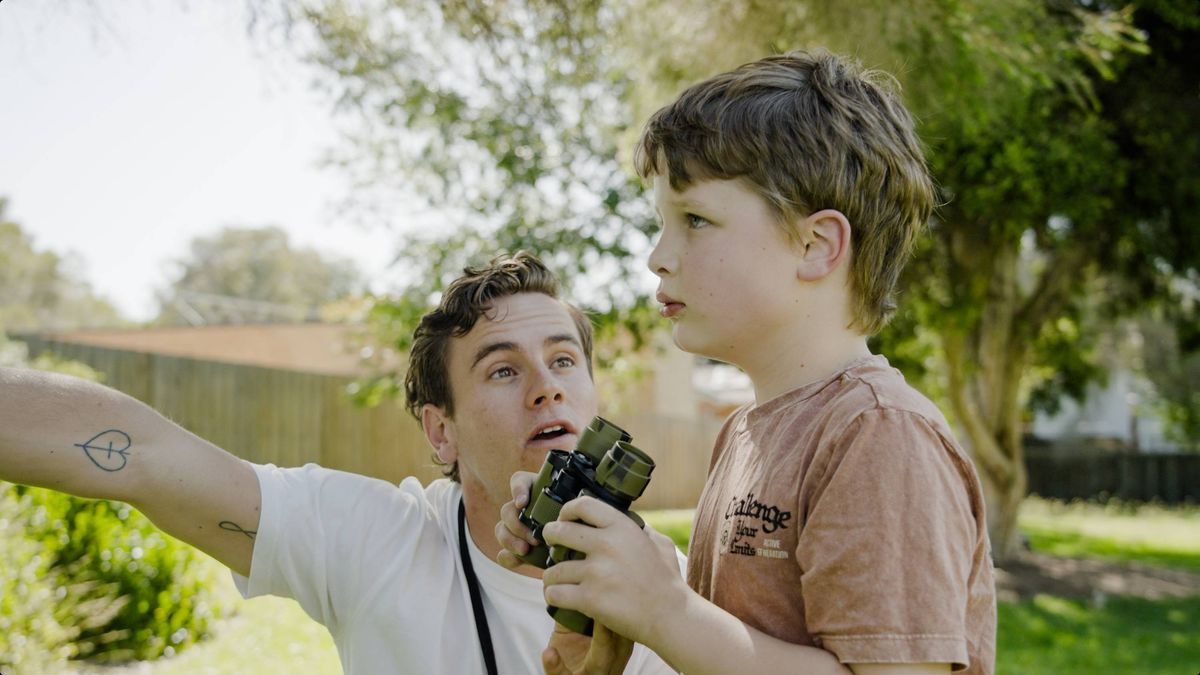
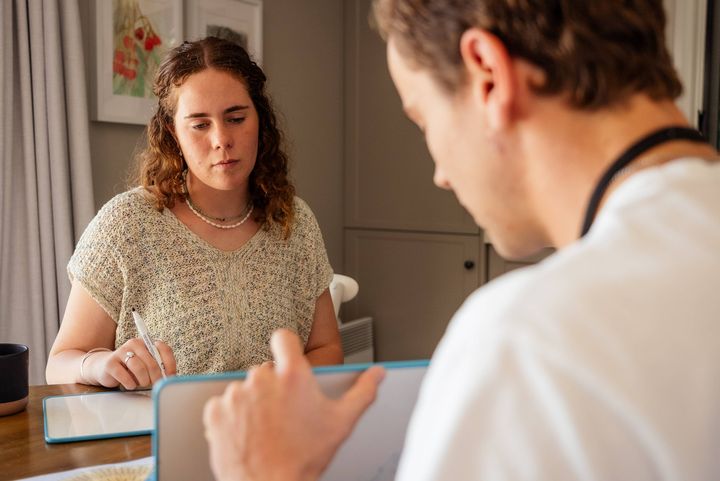
Functional Capacity Assessments, sensory profiles, home and living, executive function, and the NDIS reports that support your plan.
Learn more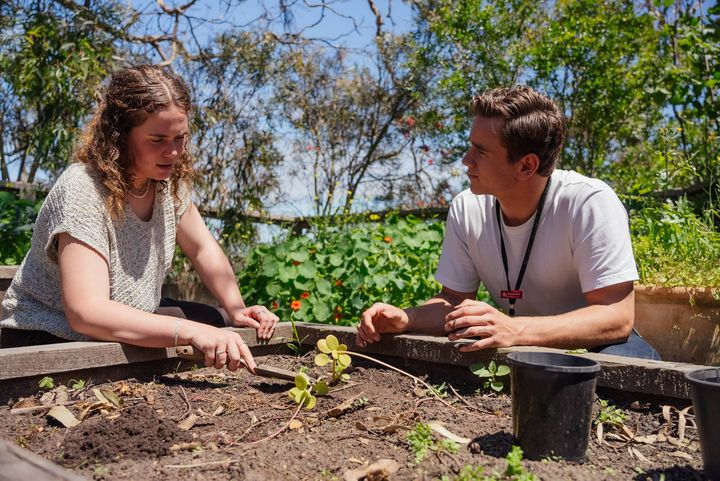
Ongoing, goal-based therapy that works on skills and everyday routines in the places you live, learn and work.
Learn more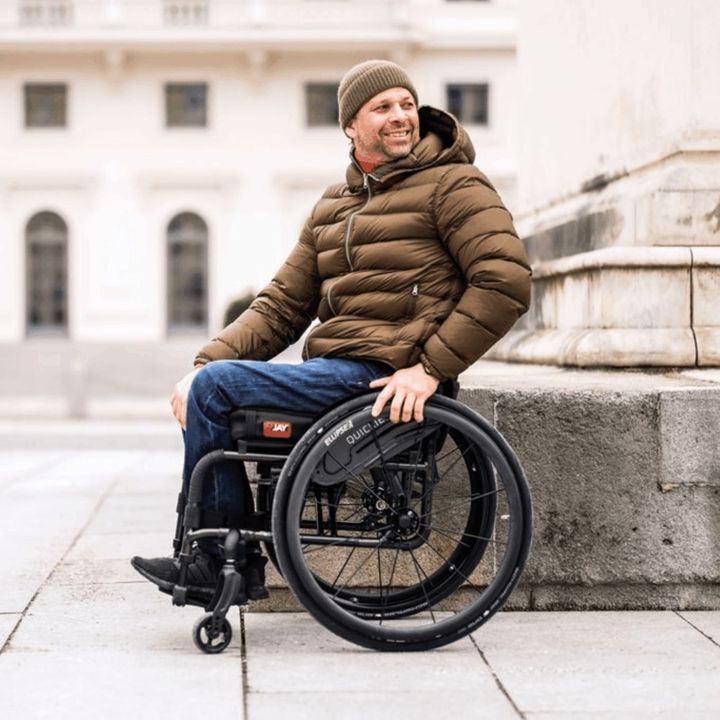
The right equipment matched to your goals, from everyday aids to mobility and seating.
Learn more
Practical changes such as rails, ramps and bathroom changes, recommended after we see how you use your home.
Learn more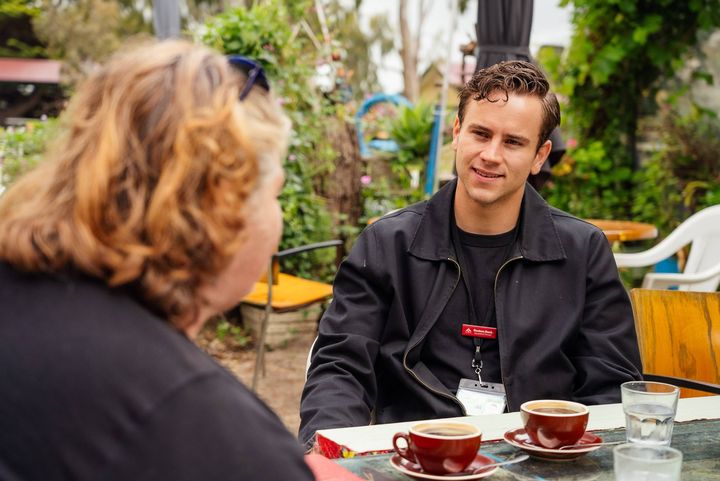
Parents and carers know their child in a way no one else does, so you're part of therapy, not just watching from the sidelines. Sessions often include practical caregiver coaching: we show you a strategy, try it together and talk through how it fits into your family's routines. Small, regular practice between sessions is where much of the work happens.
We also work in collaboration with kinders, childcare centres and schools. With your consent, that can mean seeing your child in the classroom or kinder room, sharing strategies with teachers and educators, suggesting changes to the learning or play space, and keeping everyone working towards the same goals. For schools and care teams looking for broader guidance and training, our Consulting service is there to support them.
Sometimes it helps to start with an assessment. Alongside play-based assessment, we offer formal assessments written up in plain, strengths-based reports that aim to guide therapy and support NDIS planning. Assessments are available in person or via telehealth.
A Sensory Profile Assessment explores how your child responds to sound, touch, movement and other sensory input, and how that shapes regulation, attention and participation at home, kinder and school. You can read more about what a sensory profile report covers.
A Functional Capacity Assessment builds a detailed picture of how your child manages daily activities such as self-care, play, learning and getting out in the community, along with the supports that help. It is often used for NDIS planning and plan reassessments.
An Executive Function Assessment looks at skills like focus, planning, organisation, working memory and flexible thinking, and how they shape learning and independence. For children already in therapy, a Therapeutic Progress Report sets out goals and progress ahead of your child's next plan or a plan reassessment.
We support children across Frankston and the Mornington Peninsula whose NDIS plans are self-managed or plan-managed, as well as families who pay privately. We're not a registered NDIS provider, so we can't claim from NDIA-managed (agency-managed) plans, but if your child's plan is NDIA-managed, you're welcome to talk to us or your support coordinator about the options. If you're not sure how your child's plan is managed, the NDIS explains the three plan management options.
Whether occupational therapy is funded in your child's plan is decided by the NDIA, based on whether it is an NDIS support that is reasonable and necessary for your child. Our assessments and reports aim to describe your child's strengths, needs and goals plainly, to give the people making those decisions a clear picture of your child's daily life.
Fees are charged in line with the NDIS price limits and set out clearly in a service agreement before anything begins. Children without an NDIS plan are welcome as private clients. If you're thinking about applying, the NDIS explains how to apply and what to expect when creating your first plan.
Eden Tone is an Occupational Therapist at Firm Foundation OT, working with children and families across Frankston and the Mornington Peninsula. Eden Tone has almost four years in paediatrics across homes, schools, kindergartens and the community, and holds a Bachelor of Occupational Therapy (Honours) from Monash University.
Eden Tone is AHPRA registered, which you can check on the AHPRA public register, and works alongside Reuben Rock, Director and Occupational Therapist.
Occupational Therapist
Bachelor of Occupational Therapy (Honours), Monash University · AHPRA registered
Almost four years in paediatric occupational therapy across homes, schools, kindergartens and the community.
We come to your child at home, kinder, school, childcare or in the community across Frankston and the Mornington Peninsula. We visit Frankston, Mount Eliza, Mornington, Mount Martha, Langwarrin, Seaford, Carrum Downs, Somerville and Hastings, plus Chelsea and Cranbourne. Telehealth is available Australia-wide when a visit isn't practical.
Yes. We support children whose NDIS plans are self-managed or plan-managed. That includes support from early childhood through the school years, goal-based therapy, and the assessments and reports that support a plan. If your child doesn't have an NDIS plan yet, we can see them as a private client while you look into funding.
We work with children with a wide range of needs, including autism, ADHD, intellectual disability, global developmental delay and sensory processing differences, as well as children who need a bit of extra support with daily life. Our approach is neuro-affirming and strengths-based, so therapy builds on your child's interests and the goals your family sets with us.
Families can refer their child to us directly, and we also accept referrals from support coordinators, GPs, allied health professionals and schools. You don't need a referral to ask a question, so if you're not sure whether occupational therapy is the right fit, give us a call or send a message.